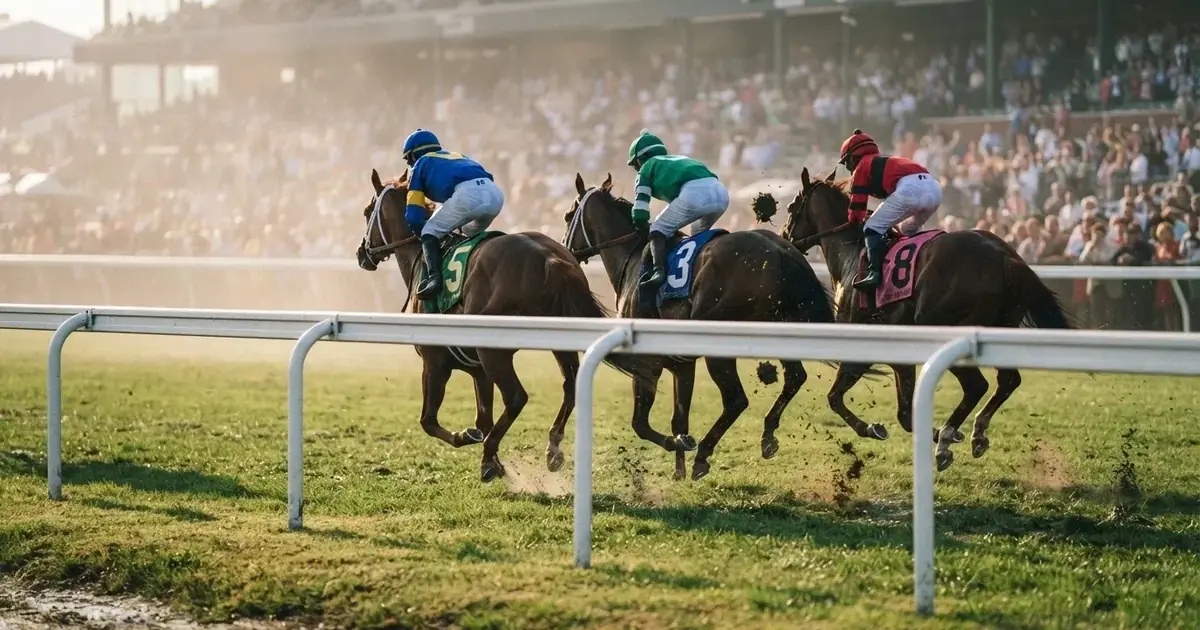
Greyhound racing betting in New Zealand: the TAB NZ monopoly, the August 2026 phase-out, and where each bettor actually stands
 Available in US
30 October 2026 comparison reflects checks against the Department of Internal Affairs (DIA), which supervises the Racing Industry Act 2020, and against TAB NZ’s published betting rules.

Table of Contents
- Staying in control while the industry winds down
- What the “best greyhound bets” and the “best greyhound strategies” ideas are actually worth
- Greyhound bet types, starting prices and how a price is built
- Where the races come from and what is left of the calendar
- The ten brands compared — only two are lawful in New Zealand
- What “greyhound betting” actually means in 2026 — the overview for someone reading this from the top
- The legal frame around the bet, the brand and the bettor
- How the eight-month wind-down looks from the punter’s seat, and what the table below does not say
- Frequently asked questions
Staying in control while the industry winds down
Gambling harm does not wait for the law to catch up with it, and it does not respect the calendar that bans a sport. Someone who has been betting on greyhounds for years is now counting down the weeks to a phase-out, and that countdown is itself a risk window — the temptation to “get the bets in before it closes” is a warning sign the helpline flags by name.
The free Gambling Helpline on 0800 654 655 (text 8006) runs 24 hours. Safer Gambling Aotearoa runs face-to-face and online support across the country. TAB NZ itself carries deposit limits, time-outs and self-exclusion inside its app, and an exclusion on TAB or Betcha crosses from one brand to the other within the same operator group. Self-exclusion is a stronger choice than a time-out: a time-out is the bettor setting the limits, a self-exclusion is the operator honouring them after the bettor closes the app.

The closure of greyhound racing will not close the betting account. Most TAB NZ customers also bet on thoroughbred and harness racing, on rugby, on the NRL, on the NBA, on the NFL, and on the cricket. The harm-minimisation tools above are the same tools across the whole account, and the value of staying in control rises rather than falls when one racing code disappears. The betting harm levy (0.74% of TAB NZ’s gross profits, set from 1 July 2025 to 30 June 2028) funds those support services, and the levy is on TAB NZ, not on the punter.
A note on what “responsible gambling” means on a page about a sport that is about to be banned. The right framing is honest: the Responsible Gambling Levy is paid by the operator, not by the bettor, and it is a small fraction of gross profit. The free helpline is the single most important number on this page. The rest of this guide is about how greyhound bets are priced, where they are taken, and what changes from 1 August 2026.
What the “best greyhound bets” and the “best greyhound strategies” ideas are actually worth
A greyhound does not know it is being bet on. Tipsters, betting systems, “best trap” picks and “greyhound systems that win” are marketed in a way that asks the reader to suspend that sentence. They are entertainment products built around the same races anyone can watch on Trackside, and the price of every bet is set by a margin that sits inside it whether the tipster calls the race right or wrong.
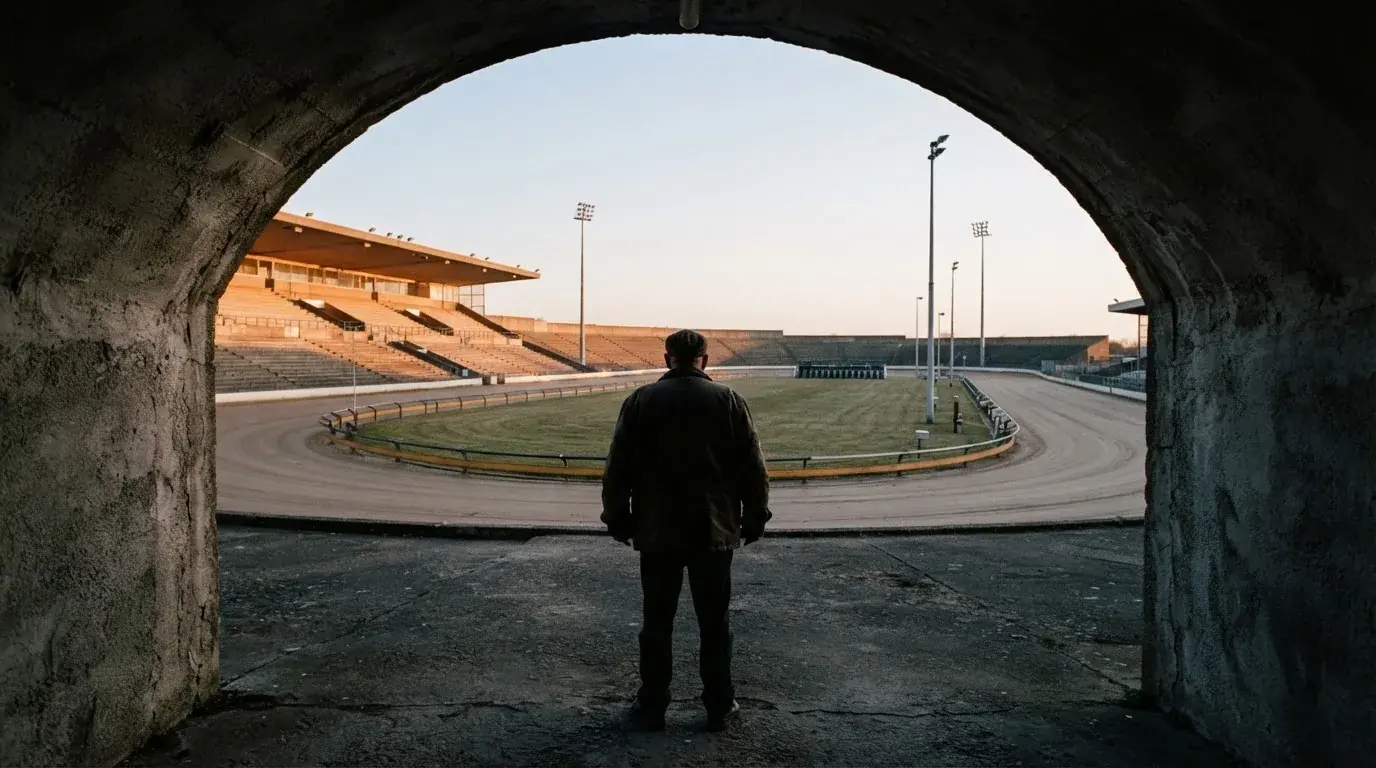
Reading form helps. Following a trainer helps. Knowing which greyhounds handle the inside boxes on a tight turn helps. None of it changes the mathematics of the bet. The mathematics is what this page is for, and the rest of this section is what the marketing language collapses.
A “best bet” is, in the language of a tipster, the runner the tipster judges most likely to win. The bookmaker, separately, sets a price on every runner. The price is the bettor’s true cost, and the margin is the bookmaker’s cut from the market overall. A tipster can pick the winner nine times out of ten and still leave the bettor losing money overall if the prices taken are shorter than the true chance. That gap is called overround and it is sitting in every price the reader sees. It is the same gap whether the bet is on a dog in Addington or on the All Blacks at Eden Park.
A “system that wins” is, in practice, a staking plan. Some staking plans aim to lock in a small profit from a sequence of winning bets. Others aim to recover a loss from a losing one. None of them survives the law of large numbers with a margin on the wrong side, because every bet still pays the margin twice — once when the bet is placed, once when the win (if any) is calculated. A staking plan changes the shape of the bankroll over time. It does not change the expected value of any single bet.
A “best trap” rule is, in casual form, the bettor’s hunch that one box number wins more often than another. The hunch is sometimes right; the bet built on it costs the same as any other. Trap number matters for course geometry: some tracks favour the rails, some favour the middle, and the bias is real. The trick is that the professional bookmakers price every trap accordingly already, so the price on a runner in the favoured box is shorter than the price on a runner in the slower box. The “edge” sits inside the price, and a 100/30 shot in the favoured box is not “value” by virtue of the box.
What does work, in a constrained sense: bet within a budget, pick markets with a low margin, do not chase losses, never bet to recover a debt, and walk away from a session after a fixed stop-loss whether the bettor is up or down. TAB NZ’s deposit limits can be set up to do this automatically. So can a session clock. A punter who treats greyhound betting as one rail of a wider betting hobby, and who closes the app at the stop-loss, is the punter who gets to bet another day.
The greyhound phase-out makes one of those rules easier for the reader to follow. The 1 August 2026 cut-off is a hard deadline that no app can extend with a price boost.
Greyhound bet types, starting prices and how a price is built
Greyhound races in New Zealand used to settle on the same bet types as thoroughbred and harness racing — Win, Place, Each Way, Quinella, Exacta, Trifecta, First Four, Double, Treble, Quaddie, Big6 — plus TAB NZ’s Same Game Multi and Multi products. Each one is settled differently and each one carries a different margin, which is why the price of a $1 win bet and the price of a $1 Quaddie are not comparable in any meaningful way. The two paragraphs below cover the betting forms common to greyhound racing; the third covers how a price is built.
A Win bet pays the dividend on the runner that finishes first. A Place bet pays on the first two or three runners, depending on the size of the field. Each Way is a combination of a Win stake and a Place stake on the same runner, settled separately. Quinella, Exacta, Trifecta and First Four are exotic bets on the runners that finish first and second, first three or first four, in order or in any order (quinella only). A Double, Treble, Quaddie and Big6 pick the winners of a sequence of races, with the dividend set by the pool once the last race settles. A Quaddie over four races and a Big6 over six are the most popular pool-bets at New Zealand tracks. The bettor is betting against other bettors and the tote operator takes a takeout from the pool, which is a different way of expressing the same idea as a margin.
Starting prices (SP) are the fixed-odds prices on each runner at the moment the race begins. The SP is the price the bookmaker posts on-track for the on-course fixed-odds market and is used as the fallback price when no better fixed price was taken earlier. The TAB NZ app lets the punter take a fixed price before the race, a tote or pool price, or both, and the difference matters when the result is a short-priced favourite: the starting price is usually the better number in that case, because bookmakers lengthen early prices to attract early money. Starting prices are not magic — they are the bookmaker’s read of where the late market will land, and they still contain a margin.
A “Boosted Odds” or “Bonus Bet” promotion offered by TAB NZ is the operator’s price on a chosen runner at a fixed number for a small stake, with the operator setting the eligibility criteria. The terms apply to greyhound racing in the same way they apply to any other racing code, and the price is still the punter’s cost whether it is a “boosted” number or a standard one. The arithmetic of the boost is the arithmetic of the bet, with a smaller stake on one side and the same margin on the other.
How a price is built is the question that ties this section together. Consider a two-runner race where every bookmaker in the world has had to set a price on each runner and where the true chance of runner A winning is 50% and of runner B winning is 50%. Decimal odds of 2.00 on each runner, in that world, means the bookmaker pays the punter exactly the true chance times the stake on average. To make a profit the bookmaker shortens the prices — to 1.90 on each runner, for example — so the total implied probability (1 ÷ 1.90 = 52.6% plus 1 ÷ 1.90 = 52.6%) is 105.3%. That 5.3% excess over 100% is the margin, the amount the bookmaker keeps on every dollar bet on the market, on average across many bets. A market at 5.3% means the punter loses 5.3 cents of every dollar bet, on average, before the racing form is even considered. The punter wins the moment form is better than the price; loses the moment form is worse.
In a three-runner race at 1.90 / 1.90 / 1.90, the implied probabilities add to 158% and the margin rises. In an eight-runner greyhound race at similar prices the implied probabilities add up to a far higher number, and the margin is correspondingly higher still, because the bookmaker has to recover from more outcomes at once. Quaddie and Big6 margins are even higher. Win and Place are the cheapest markets. The rule is uniform across sports and across bookmakers: more outcomes on the bet, more margin in the price.
A worked example with two illustrative odds: a two-way market at decimal odds 1.90 and 1.90. The payout share per dollar staked is 1 ÷ (1 ÷ 1.90 + 1 ÷ 1.90) = 1 ÷ 1.0526 = 95.0%. The margin — the amount the bookmaker keeps of every dollar bet on the market, on average across many bets — is 5.0%. A $10 bet on either runner returns $19.00 if it lands. The interest of the calculation is not in one bet: a single bet either wins or loses, and the margin is invisible. Across many such bets the 5% is what the bookmaker retains on average. A heavier-margin market (a Win market on an eight-runner field) keeps the bookmaker a larger share per dollar staked, and the deduction from a winning punter’s long-run return is correspondingly larger.
Stakes settle in dollars and cents. Dividends on tote (pool) bets vary with the pool size. Multi bets (accumulators) multiply the odds of each leg into one price; the margin on a multi is the combined margin of each leg, which is why “long-shot” multis are popular and why the bookmakers like them. A $10 multi at combined odds 50.00 returns $500 on a win; the implied probability (1 ÷ 50 = 2%) is well below the true chance of all legs landing together, and the gap is the multi’s built-in margin. The punter’s actual cost is the multiplied margin of every leg, not the headline price.
Where the races come from and what is left of the calendar
Greyhound racing in New Zealand was a network of seven affiliated clubs run by Greyhound Racing New Zealand (GRNZ): Auckland, Waikato, Whanganui, Palmerston North, Canterbury, Otago and Southland. The Racing Industry (Closure of Greyhound Racing Industry) Amendment Act 2026, passed on 2 April 2026, ends the sport inside New Zealand on a phase-out timeline running to 1 August 2026. The Minister’s announcement of 10 December 2024 framed the ban as a final one.
The Racing Integrity Board is the body that has handled stewarding and integrity matters across the three racing codes. From 1 August 2026 there will be no GRNZ clubs and no on-course greyhound fixtures inside the country. TAB NZ’s greyhound betting offering is, accordingly, set to close on the same date.
Offshore greyhound racing continues. Australia, the United Kingdom and Ireland still hold meetings — the GBGB oversees 18 licensed stadia in Great Britain alone — and a greyhound race from Addington looks the same to the form reader as a greyhound race from Wentworth Park. The legal position from 1 August 2026 is narrower: the Racing Industry Act 2020 extends to “a person in New Zealand” regardless of where the operator is incorporated, and TAB NZ is the only provider that may lawfully offer racing and sports betting to a person in New Zealand. The Department of Internal Affairs told offshore providers in 2025 to withdraw with immediate effect and the same instruction extends to greyhound racing once the New Zealand phase-out takes effect. The 12% online gambling duty (rising to 16% from 1 January 2027) and the closure of the point-of-consumption charge on 30 June 2026 were tax changes for offshore operators; they do not change the underlying prohibition.
The shape of the calendar for a New Zealand greyhound punter through 2026 is a shrinking one. From now to 31 July 2026 the seven clubs are still running meetings, the TAB NZ app still quotes greyhound odds, and Trackside still streams the races. From 1 August 2026 the New Zealand greyhound calendar is empty, the TAB NZ greyhound market closes, and the offshore alternative carries the regulator’s standing instruction to withdraw. The punter with a multi-leg ticket resting on a 1 August 2026 race — a Quaddie, a Big6, a Same Game Multi with a greyhound leg — needs to check the operator’s rules on abandoned or cancelled meetings; a meeting that does not take place is not a settled one and an unsettled multi is normally voided rather than paid.
The greyhound bet app question still has an answer through July 2026: TAB NZ’s app and Betcha’s app both carry greyhound racing alongside horse, harness and the other sports. From 1 August 2026 the same two apps cease to be greyhound racing apps in any practical sense — they remain racing and sports apps, but the greyhound tab goes empty.
The ten brands compared — only two are lawful in New Zealand
New Zealand law targets the operator, not the player. There is no published penalty on a New Zealand resident who places a bet with an offshore bookmaker after 28 June 2025, and the page does not claim that doing so is illegal for the player or that it is legal. The honest framing is what the regulator and the law together support: TAB NZ and Betcha (the two online brands of TAB New Zealand) are the only operators that may lawfully take online sports and racing bets from a person in New Zealand; every other brand below is unlicensed in New Zealand, with no New Zealand complaints route, no New Zealand harm-minimisation framework reached by the law, and a regulator statement that those operators must withdraw. The table that follows separates the two lawful brands from the eight reference brands in a single column. The brand-by-brand write-ups sit below it.
| Brand | New Zealand status | Greyhound or racing specifics on the operator’s own terms |
|---|---|---|
| TAB | TAB NZ brand | Carries horse, harness and greyhound racing, rugby union, rugby league, the NBA, NFL and other sports, with Trackside live race streaming and in-app betting on the race card |
| Betcha | TAB NZ brand | Lists horse, greyhound and harness racing alongside rugby, NRL, MMA/UFC, NBA, NFL, tennis, cricket, football, motorsports and esports in the app |
| BetAlright | not licensed in New Zealand | Sportsbook covers football, tennis, table tennis, basketball, ice hockey, American football and baseball, with live betting and virtual sports; no greyhound or New Zealand racing offering stated |
| FunBet | not licensed in New Zealand | Sportsbook covers football, ice hockey, American football, basketball, volleyball, tennis, rugby and baseball, with live betting; no greyhound or New Zealand racing offering stated |
| Winz | not licensed in New Zealand | Runs a sports betting promotion with separate Sportsbook T&Cs; no greyhound or New Zealand racing offering stated |
| RoyalistPlay | not licensed in New Zealand | Sportsbook covers football, basketball, tennis, handball, ice hockey, volleyball and table tennis, with esports and predictions sections; no greyhound or New Zealand racing offering stated |
| Telbet | not licensed in New Zealand | Crypto casino and sportsbook; no greyhound or New Zealand racing offering stated |
| Roobet | not licensed in New Zealand | Sportsbook covers soccer, basketball, tennis, Counter-Strike, FIFA, baseball, ice hockey, MMA and table tennis; no greyhound or New Zealand racing offering stated |
| Rooster | not licensed in New Zealand | Sportsbook runs Live, Sports Promotions, Results, Schedule, E-sports and Predictions; no greyhound or New Zealand racing offering stated |
| LegendPlay | not licensed in New Zealand | Sportsbook runs Sports, Live Betting and Virtual Sports, with football, tennis, basketball and ice hockey listed; no greyhound or New Zealand racing offering stated |
Two caveats apply to every row of that table and to this whole section. First, every cell beyond the licence column states only what the operator’s own published terms say about greyhound and New Zealand racing. Eight of the ten brands list no greyhound offering at all, which on its own tells the reader how far off the page greyhound betting sits at the average offshore sportsbook. Second, the law treats TAB and Betcha as one operator group; the marketing pages read like two brands, the betting account is shared, and an exclusion on one brand crosses to the other within the same group. The two write-ups below treat them as the one operator group that research establishes they are.
TAB
TAB New Zealand holds the monopoly on online racing and sports betting for people in New Zealand under section 74AAA of the Racing Industry Act 2020, in force since 28 June 2025. The TAB app (“TAB – Racing & Sports Betting” on the New Zealand App Store, seller New Zealand Racing Board, first released 8 September 2014) covers horse racing, harness racing, greyhound racing, rugby union, rugby league, the NBA, the NFL, and other sports, pre-match and live. Trackside live race streaming is in the same app as the bet slip, with Jockey Challenge, Blackbook and form tools. Entain runs the TAB business under a 25-year agreement signed in 2023 that gives Entain a 50/50 share of gross profits, with at least $150m a year going to TAB NZ for the first five years and a one-off $100m payment by Entain to the racing sector.
The deposit limits, time-outs and self-exclusion tools are the harm-minimisation framework research establishes. The free Gambling Helpline (0800 654 655, text 8006) is named inside the app. The age cut-off is 18, set by section 89 of the Racing Industry Act 2020, and the New Zealand App Store carries a 17+ rating. A verified New Zealand address and ID are required to open an account. The starting price mechanism, the tote / pool dividends and the full catalogue of Win, Place and exotic products are TAB NZ’s published catalogue.
The greyhound betting product here closes on 1 August 2026 with the rest of the sport. Other codes stay open. For a New Zealand resident looking for a fully lawful racing and sports account with a New Zealand complaints route, a New Zealand harm-minimisation framework and a regulator that oversees the operator, TAB is the only brand on this page that meets every one of those tests. For a greyhound punter specifically the verdict is different: the user is buying time, not a long-term market, and the deposit limits are the part of the product that will matter most in the next few months.
Betcha
Betcha is the second online brand of TAB New Zealand, published on the New Zealand App Store by Entain New Zealand Limited and first released on 6 August 2024. The brand covers horse, greyhound and harness racing along with rugby, NRL, MMA/UFC, NBA, NFL, tennis, cricket, football, motorsports and esports. The shared wallet and the shared harm-minimisation framework inside TAB NZ mean Betcha is operationally the same operator under a different skin; an exclusion on TAB crosses to Betcha and vice versa.
For a New Zealand punter who prefers the second brand’s UX, the Betcha product is the TAB product. The age rule, the ID check, the deposit method list and the helpline listed in the TAB app appear on Betcha’s terms too. The greyhound offering is part of the same phase-out timeline that ends the sport inside the country on 1 August 2026. Where Betcha stays useful after August is on the codes the rest of the page lists (rugby, NRL, NFL, NBA, the cricket), and that is where this brand has any case as a stand-alone pick — for a punter who likes the Betcha interface more than the TAB one.
BetAlright
BetAlright is not licensed in New Zealand. The Department of Internal Affairs told providers serving New Zealand to withdraw after 28 June 2025, BetAlright names no New Zealand licence, and the published New Zealand complaints and harm-minimisation frameworks do not reach it. The published sportsbook covers football, tennis, table tennis, basketball, ice hockey, American football and baseball, with live betting and virtual sports sections. There is no greyhound offering on the brand’s own pages, no express racing product set out in the materials research carries, and the operator’s own terms page is the source for any specific feature the punter wants to check.
For a New Zealand resident the verdict is firm: BetAlright’s product is not lawfully available here, no local harm-minimisation framework reaches it, and the regulator’s standing instruction to operators serving New Zealand applies. A punter who already has a BetAlright account needs to look at the TAB NZ product for any racing or sports wager that is meant to land inside the New Zealand legal frame.
FunBet
FunBet is not licensed in New Zealand. Its sportsbook covers football, ice hockey, American football, basketball, volleyball, tennis, rugby and baseball, with live betting and a “24/7 bookmaker” service on the home page. No greyhound offering is named, no New Zealand racing product is described, and the same operator-side withdrawal instruction from the Department of Internal Affairs applies.
FunBet’s strongest feature on its own terms is the breadth of the football and North American sports list. For a New Zealand resident that breadth does not turn an unlicensed product into a licensed one, and the warning the regulator publishes about overseas operators — limited consumer safeguards, possible non-return of unspent credits, possible non-payment of large wins — sits over the offer in a way that no marketing page can take off. The verdict on this brand is the same as the verdict on any other row of this group: only TAB NZ is the lawful path.
Winz
Winz lacks a New Zealand licence. The brand names Anjouan and Tobique licences, holder Novatrix SRL, and neither is authorised to offer bets to New Zealand residents. The site’s home page carries a sports betting bonus promotion and a separate set of Sportsbook T&Cs, Sports Rules and Bonus Terms and Conditions pages. No greyhound offering is named and no New Zealand racing product is described.
The published terms are the place to look for the wagering multiple, the minimum odds for qualifying bets, the deadline for clearing the bonus and any cap on winnings from a bonus. The brand’s casino product is not the same permit as a sports betting permit; a casino licence, even a real one, does not convert a sports product into a lawful one in New Zealand. The verdict on this brand is the same warning the regulator publishes, in the same plain language.
RoyalistPlay
RoyalistPlay is not licensed in New Zealand. The brand names a Tobique Gaming Commission e-gaming licence (No. 0000002), holder Novatrix SRL, and that licence is not valid for New Zealand bets. The sportsbook carries live betting, sports promotions, results and a schedule, with football, basketball, tennis, handball, ice hockey, volleyball and table tennis among the top sports, plus separate e-sports and Predictions sections. No greyhound offering is named.
The distinguishing feature on the operator’s own terms is the wider “top sports” list, which is what the home page calls “top sports”. The same New Zealand law applies — the Department of Internal Affairs’s instruction to withdraw, the absence of a New Zealand complaints route, the absence of a New Zealand harm-minimisation framework, and the published risks the regulator attaches to overseas operators. The verdict on RoyalistPlay is the same shape as every other row in this group.
Telbet
Telbet is not licensed in New Zealand. The site describes itself as a crypto casino and sportsbook, with a welcome offer of 200% up to 1 BTC plus 50 free spins and a 5 USDT free bet, on its Russian-language page in particular. No greyhound offering is named, no New Zealand racing product is described, and the same operator-side prohibition applies.
The crypto angle is worth noting for what it does not do. The Department of Internal Affairs has no published rule on crypto deposits with offshore operators, and the regulator does not block bookmaker websites. The published warning — that overseas operators may not return unspent credits and may not pay large wins — is the substantive consumer point on any offer that mixes crypto and a non-New Zealand brand. The verdict on Telbet is the same as the verdict on every other row of this group: only TAB NZ is the lawful New Zealand path.
Roobet
Roobet is not licensed in New Zealand. The brand names a Curaçao licence (OGL/2024/687/0427), holder Raw Entertainment B.V., which is not a valid New Zealand licence. The site’s published terms require players to be 18 or older. The sportsbook covers soccer, basketball, tennis, Counter-Strike, FIFA, baseball, ice hockey, MMA and table tennis, with no greyhound offering named.
Roobet’s stand-out feature on its own terms is the Counter-Strike and FIFA depth, which is closer to the esports-betting end of the market than the racing end of it. The New Zealand legal position does not change with the sport chosen: section 74AAA extends to racing and sports betting by the same operator. The verdict is firm in the same direction as the rest of this group.
Rooster
Rooster lacks a New Zealand licence. The brand names a Tobique Gaming Commission e-gaming licence (No. 0000002), holder Novatrix SRL, the same licence holder as Winz and RoyalistPlay, which is not valid for taking bets from New Zealand residents. The sportsbook runs Live, Sports Promotions, Results, Schedule, E-sports and Predictions sections, and the operator’s terms page lists odds in six formats. No greyhound offering is named.
The odds-format feature is the closest thing to a stand-out on this brand: the punter can pick the format they read most fluently, including decimal odds at $2.10 form. The same regulator position applies to this brand as to the rest of this group. The verdict matches.
LegendPlay
LegendPlay is not licensed in New Zealand. The brand names an Anjouan Gaming Authority licence, which is not a valid licence for New Zealand operations. The sportsbook runs Sports, Live Betting and Virtual Sports sections, with football, tennis, basketball and ice hockey listed. No greyhound offering is named.
The virtual sports section is the most distinctive feature here; it is the only product type that the published law treats as casino gambling rather than as racing or sports betting. The Online Casino Gambling Act 2026 licenses online casino gambling in New Zealand — it does not extend the TAB NZ betting monopoly, and it does not open a second lawful path to take sports bets. The verdict on LegendPlay closes on the regulator warning rather than on the operator’s product.
What “greyhound betting” actually means in 2026 — the overview for someone reading this from the top
Greyhound racing was a small industry by New Zealand standards. Seven affiliated clubs, a single national body (GRNZ), a greyhound code that ran alongside thoroughbred and harness racing on the TAB NZ tote and fixed-odds product. The Racing Industry (Closure of Greyhound Racing Industry) Amendment Act 2026 ends it on 1 August 2026, in line with Minister Winston Peters’s announcement of 10 December 2024. The bet on the sport, for a New Zealand resident, has always been with TAB NZ; from 1 August 2026 that bet is also closed, on the New Zealand side and (per the regulator’s standing instruction) the offshore side. From that date, the 2026 Act instructions regarding greyhound racing apply.
A greyhound racing meeting is structured around an artificial lure running on a rail ahead of the dogs — a mechanical setup that has been standard for decades — and races can settle on parimutuel (tote) pools or on fixed-odds bookmaker prices. The races are short, the field sizes are typically six to eight, and the bet types are the same range of products the thoroughbred and harness codes share: the same exotic bet types plus the Same Game Multi and Multi products TAB NZ runs from a single race or across codes. Tote dividends are pool-driven. Fixed-odds starting prices are the on-course fixed-odds market posted at the moment the boxes open.
For a New Zealand punter looking at this material from the top, the picture in 2026 is this: TAB NZ and Betcha (the two online brands of the one operator group) carry the entire New Zealand racing and sports market; greyhound racing closes inside the country on 1 August 2026; the rest of the racing codes carry on; the offshore bookmakers in the comparison table are not licensed in New Zealand; the closest equivalent in Great Britain is the Greyhound Board of Great Britain (GBGB), with 18 licensed stadia, which is for a British punter on a British operator and is not a path for a New Zealand punter.
The arithmetic covered two sections earlier — the margin inside the price, the multi-leg compounding, the low-margin markets versus the high-margin ones — is what turns the picture into a decision. For any racing code, the best price on a runner is the cheapest ticket in a market, and any “boosted” headline is to be read against the price on the same runner in the un-boosted market. The cost is the margin, the margin is the difference between a long-term punter who pays it and a long-term punter who doesn’t.
The legal frame around the bet, the brand and the bettor
The Department of Internal Affairs (DIA) is the gambling regulator under the Gambling Act 2003 and the body that monitors compliance with the Racing Industry Act 2020. The Racing Industry Act 2020 establishes TAB NZ as the sole betting provider for racing and sports in New Zealand. The Racing Industry Amendment Act 2025 inserted section 74AAA: no person other than TAB NZ may offer racing betting, sports betting or other racing or sports betting to a person in New Zealand, regardless of where that operator is incorporated. The change took effect on 28 June 2025.
There is no licensing route for another bookmaker. There is no licence register for betting, because there is only one lawful provider. There is no per-bet cap set in statute; any limits are TAB NZ’s own terms. There is no national online-betting exclusion register; the register the new online casino law will require is for casinos, not for sports and racing.
The age for TAB NZ betting is 18 (section 89 of the Racing Industry Act 2020). The land-based casino age is 20 — a casino limit is not a betting limit and the two never merge. TAB NZ accounts require a verified New Zealand address and ID. Self-exclusion on TAB NZ’s brands (TAB and Betcha) crosses the two. Deposit limits and time-outs are operator-side products. The Responsible Gambling Levy is 0.74% of TAB NZ’s gross profit, fixed from 1 July 2025 to 30 June 2028.
No statutory payment rule for betting accounts (card, bank, credit, prepaid, crypto) was found. TAB NZ’s deposit methods and limits are operator-level and come only from the operator’s terms. There is no statutory geo-block on offshore websites; the law puts liability on the offshore operator. New Zealand does not block bookmaker sites. The point-of-consumption charge on offshore racing and sports bets ceased on 30 June 2026. The player: section 19(4) of the Gambling Act 2003 (inserted in 2025) says an individual may not be convicted for placing a bet with an offshore betting operator in breach of section 74AAA. No source states a penalty for a player. Honest framing on this page: “New Zealand law targets the operator; DIA warns players of the risks; no published penalty for a player was found.”
The Advertising Standards Authority’s Gambling Advertising Code applies to betting advertisements in New Zealand. Ads must not target children (under 14) or young people (14 to under 18), must not encourage harm and must be truthful with terms available. There is no New Zealand equivalent of a “whistle-to-whistle” ban for betting.
The online casino side of the market is governed by the Online Casino Gambling Act 2026, which licenses online casino gambling only and does not license sports betting. TAB New Zealand’s right to apply for a casino licence does not extend the betting monopoly. Virtual (computer-simulated) sport is treated by the new law as casino gambling. Whether esports betting is “sports betting” under the Racing Industry Act is not established.
The Inland Revenue position on the player side is that recreational gambling winnings are generally not taxable and that prize money from TAB horse, dog and trotting races is not taxable; a person who bets as a business is a different case and the relevant guidance is Inland Revenue’s general information, not tax advice. The operator side: TAB NZ pays the Responsible Gambling Levy; offshore operators supplying New Zealand residents pay online gambling duty (12% of profits since 1 July 2024, 16% from 1 January 2027). A duty being payable does not make an offer lawful; the operator-side prohibition is what governs.
How the eight-month wind-down looks from the punter’s seat, and what the table below does not say
The greyhound industry is closing on a fixed timetable. From 1 August 2026 there are no affiliated clubs operating in New Zealand and no on-course greyhound fixtures at Addington, at Manawatu, at Hatrick or at any of the seven venues that ran GRNZ meetings. For the punter with an open TAB NZ account the picture between now and the cut-off is a series of diminishing fixtures. For the punter with a Betcha account, the same picture. For the punter with an open account at an offshore bookmaker carrying Australian or British greyhound racing, the regulatory position is the same one the regulator set out after 28 June 2025 — and any product that was unlawful in June 2025 is not made lawful by the August 2026 phase-out of the local sport.
The table above displays eight offshore brands for reference. The New Zealand market is a binary one, and these additional rows provide context rather than choice. Listing them demonstrates the market’s structure elsewhere so the reader understands the New Zealand landscape rather than guessing.
Three things the punter can do, today, that do not change as 1 August 2026 approaches: set a deposit limit inside the TAB NZ app, set a session clock, and call the Gambling Helpline (0800 654 655, text 8006) before the next bet is placed. The closer the cut-off date gets, the more useful those three actions are. The wind-down of a betting product is one of the moments the harm-minimisation tools exist for, and a deposit limit set to the bare minimum through August is one line in the app the punter can do today and undo only when the punter decides to.
Frequently asked questions
How do I bet on greyhound racing?
Place the full range of Win, Place and exotic bet types through TAB NZ (TAB or Betcha — the two online brands of the one operator group), either in the app, on the website or at a retail outlet, with the bet settled on the result of the race as recorded by the Racing Integrity Board.
How does betting on greyhound racing differ from betting on horse or harness racing?
The bet types, the tote / pool products and the starting price mechanism are the same as for horse and harness racing, with a typical field size of six to eight runners rather than the larger thoroughbred fields, the same Quinella and Exacta products, and the same Quaddie and Big6 pools that build on the day’s race card.
What happens to betting on greyhound racing when the sport closes?
From 1 August 2026, the date the 2026 Act sets for the phase-out of greyhound racing in New Zealand, TAB NZ’s greyhound market closes with the rest of the sport and the Department of Internal Affairs’s standing instruction to operators serving New Zealand extends to greyhound races held outside the country.
Which bookmaker may lawfully take sports and racing bets in New Zealand?
Only TAB NZ — under section 74AAA of the Racing Industry Act 2020, in force since 28 June 2025 — and its two online brands (TAB and Betcha); every other operator listed on this page is not licensed in New Zealand, with no New Zealand complaints route and no New Zealand harm-minimisation framework reached by the law.
How is the return on a bet worked out from the stake and the odds?
For a single bet, return = stake × decimal odds; for a multi, the odds of each leg are multiplied into one price; for a tote or pool bet the return is the dividend announced once the last leg settles; in every case the price contains a margin that is the bookmaker’s long-run share of the money staked on the market.
Prepared by the Nzesportsbets editorial staff.